
Monthly Newsletter – California Coast and Ocean News – March 2026
Jump to: What’s Happening | Funding Opportunities | Dive In (Article) | Project Highlight | Staff Spotlight | Photo of the Month | Subscribe
What’s Happening
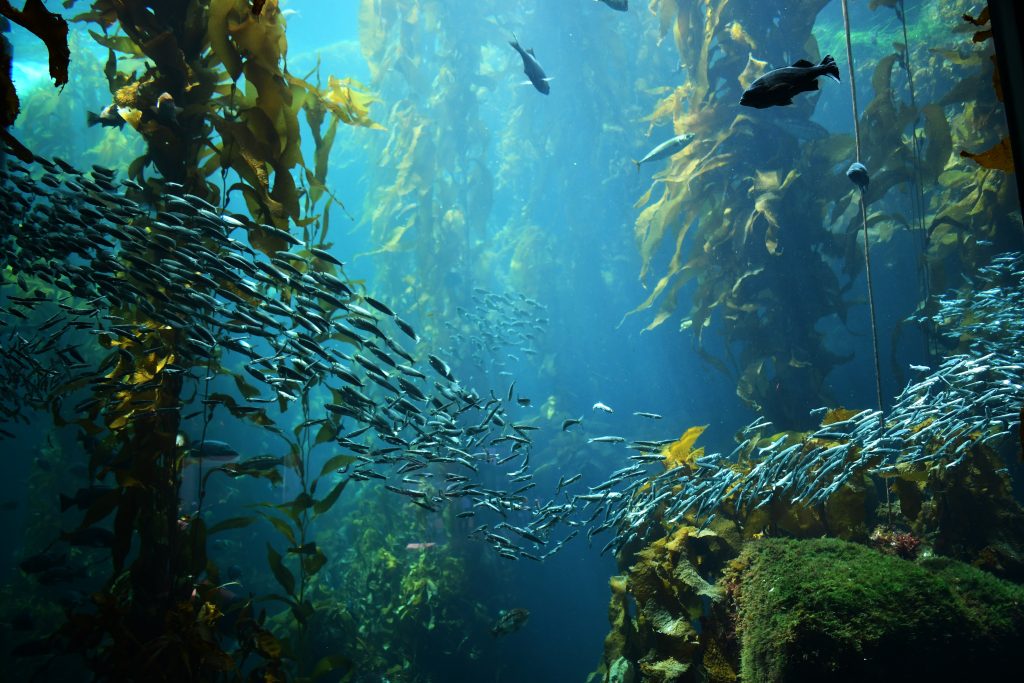
March 23, 2026 California Ocean Protection Council Meeting Summary & Recording
At the March 23, 2026, Ocean Protection Council (OPC) meeting, the Council unanimously approved more than $12.5 million in investments to advance sea level rise adaptation planning and tribal cultural resilience, advance action-oriented science and restoration to conserve 30% of California’s coastal waters by 2030 (30×30), and strengthen adaptive management of the state’s Marine Protected Area (MPA) Network. Read the summary and watch the recording.
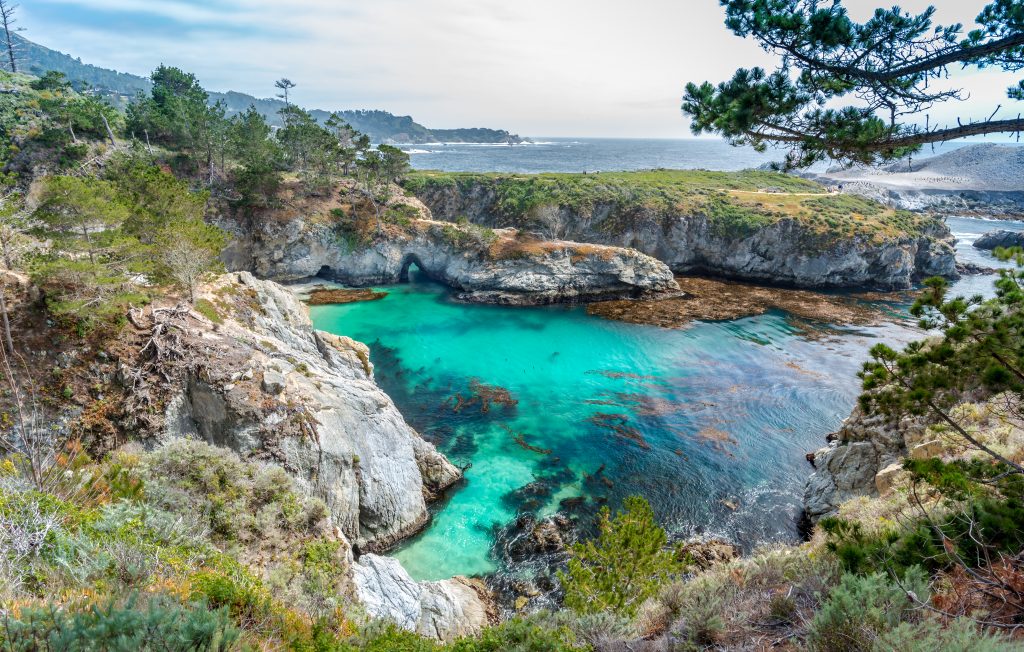
CDFW Releases Evaluation of MPA Petitions; OPC to Provide Policy Input in Coming Weeks
In 2023, the California Fish and Game Commission (FGC) received several petitions that proposed changes to the state’s successful and globally-renowned Marine Protected Area (MPA) Network, in response to a key recommendation in the first Decadal Management Review of the Network. Last week, the California Department of Fish and Wildlife (CDFW) released its evaluations of 10 petitions, and OPC submitted a letter to the FGC. Learn more.
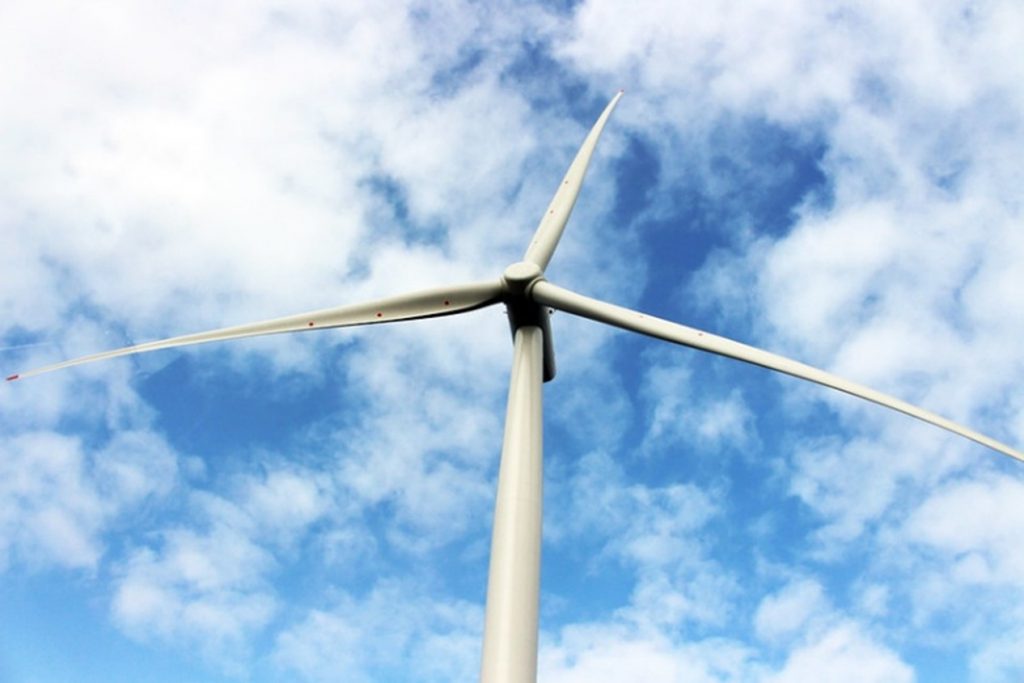
Draft Blueprint for Building a West Coast Science Collaborative – Public Comment Period Through April 1, 2026
As California pursues its offshore wind energy goals, it will need a strong scientific foundation to safeguard ecosystems, tribal cultural resources, and coastal communities throughout offshore wind construction and operation. OPC is creating a West Coast Science Collaborative (WCSC) to provide independent and objective scientific expertise and inform regulatory decision-making and adaptive management. Visit the Draft Blueprint for Building a West Coast Science Collaborative announcement for more information.
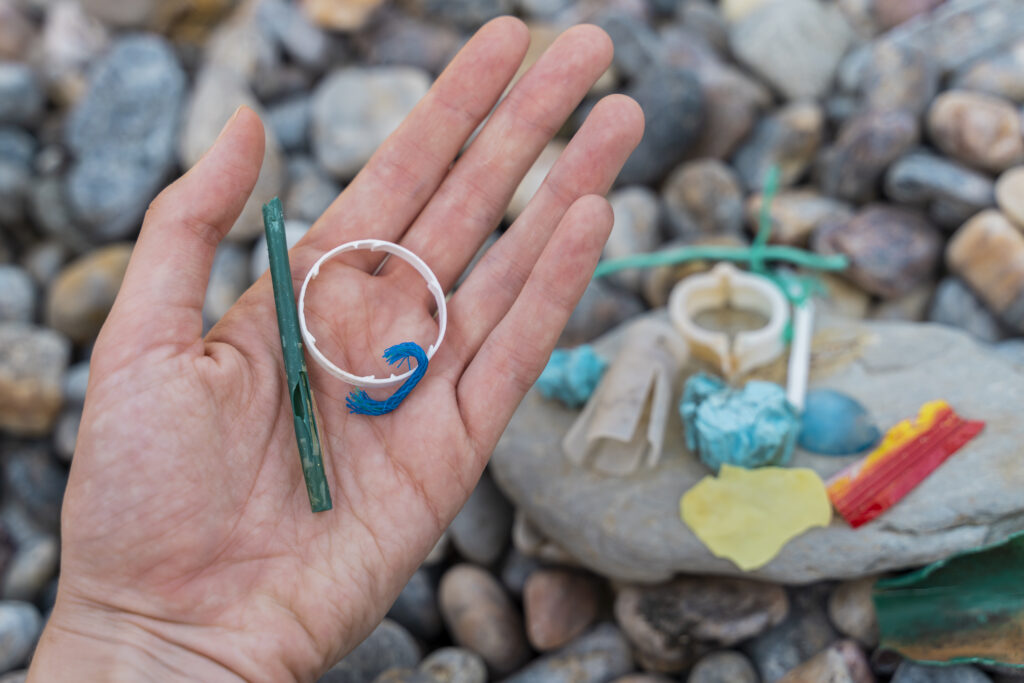
Plastic Pollution Mitigation Fund: Public Survey Available
The California Environmental Protection Agency (CalEPA), the California Natural Resources Agency (CNRA), and the California Strategic Growth Council (SGC) invite public input to inform the Plastic Pollution Mitigation Fund (PPMF), established by Senate Bill 54 (2022). Share your priorities through this survey or visit the PPMF webpage to view past webinar recordings and learn about future engagements.
Survey: Tracking Impacts of Federally Funded Programs on California’s Coast and Ocean
An ongoing survey is available to understand impacts to federally funded coast and ocean programs in California. Importantly, this survey will be used to identify critical environmental data and information gaps. Complete the survey.
Women’s History Month
The California Natural Resources Agency (CNRA) and its supporting departments celebrated Women’s History Month this March. Through virtual and in-person events, CNRA departments, commissions, and conservancies honored women leaders in the environmental field who use their voices to communicate the importance of nurturing and protecting the environment for the future and to encourage others to become environmental stewards. This year’s theme, “Women Cultivating Community: Leading Her Way,” recognized the incredible women shaping our communities and leading with purpose. Learn more about Women’s History Month and other cultural diversity celebrations.
Funding Opportunities
SB 1 Sea Level Rise Adaptation Grant Program
The next submission deadline for Track 1: Sea Level Rise Adaptation Planning Projects is Friday, June 26, 2026.
The next proposal deadline for OPC’s SB 1 Sea Level Rise Tribal Cultural Resources Funding Program is Thursday, April 16, 2026.
Learn more about these funding opportunities on the SB 1 Grant Program webpage.
Dive In
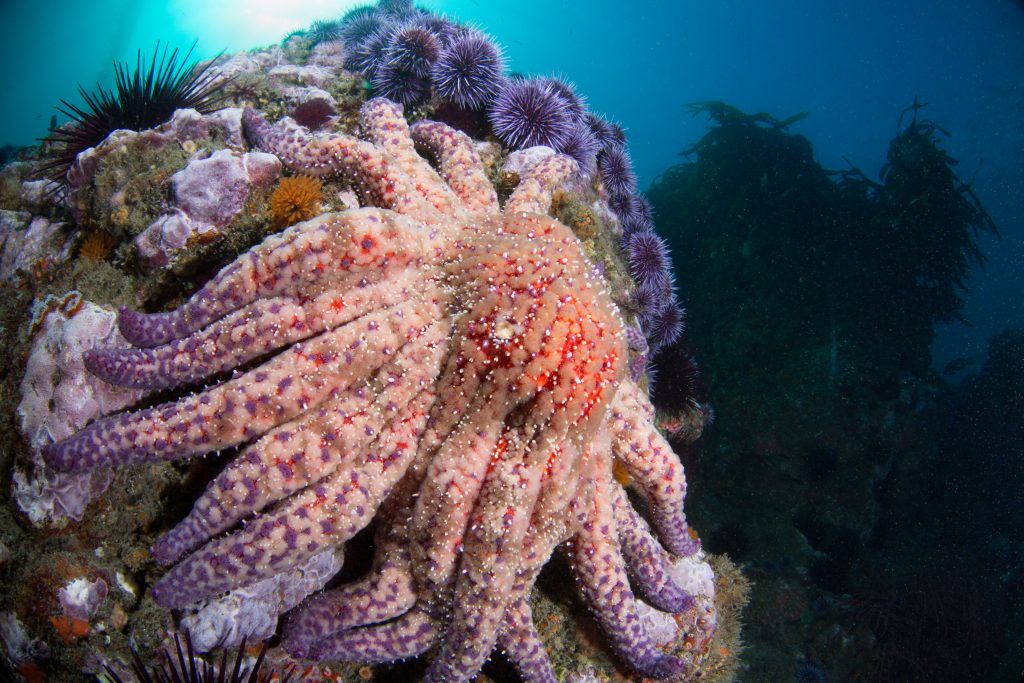
Bringing Back the Stars: California’s Effort to Rescue the Sunflower Sea Star
Just beneath the surface of California’s coastal waters, a recovery story is unfolding. It connects a once-abundant sea creature, the collapse of underwater forests, and a coalition of scientists, divers, and community members working to turn the tide.
Meet the Sunflower Sea Star
The sunflower sea star (Pycnopodia helianthoides) is one of the ocean’s most remarkable animals. The largest sea star in the world, it can span more than three feet across, sport 16 to 24 arms, and move at a surprising three feet per minute. Once abundant from Alaska to Baja California, it was a dominant predator on California’s rocky reefs, keeping purple sea urchin populations in check and kelp forests healthy.
Project Highlight
The California Coast and Ocean Report
The 2026 California Coast and Ocean Report is a first-of-its-kind statewide report on coastal and ocean health, developed in partnership with the California Ocean Science Trust and informed by more than 120 scientists. It assesses 14 key indicators across three themes: People, Wildlife and Habitats, and Stressors, and the story it tells is one of both pressure and progress.
On the encouraging side, most of California’s beaches have excellent water quality, most fish species have healthy and abundant populations, and marine mammal populations are generally doing well. Decades of science-based fisheries management and a statewide network of marine protected areas have helped bring dozens of species back from the brink of collapse.
But climate change is taking a toll. More than 95% of Northern California’s bull kelp has vanished over the last decade. Several fisheries, including salmon and Dungeness crab, are in crisis. Sea level rise is already impacting habitats and coastal communities, threatening the public’s fundamental right to access California’s coastline. Ocean acidification is accelerating, with corrosive seawater now six times more prevalent off our coast than in the pre-fossil fuel era. And in 2024, harmful algal blooms left sea lions stranded on California beaches and triggered shellfish harvesting closures in more than half of California’s coastal counties.
At the same time, the report highlights the bold action California is taking in response, from kelp restoration and whale-safe fishing gear to local investments in sea level rise adaptation across the state.
Read the full report and the methodologies and see the accompanying press release for more.
SAVE THE DATE! Secretary Crowfoot will also be spotlighting the report’s findings at the upcoming Secretary Speaker Series on April 28, 2026.
Staff Spotlight

Justin Funa, California Sea Grant Fellow
Justin holds a master’s in Marine Biodiversity and Conservation from Scripps Institution of Oceanography, UC San Diego, where he studied how mapping shark and ray distributions alongside local ecological knowledge from small-scale fishing communities can inform species protection without alienating the fishers who steward those waters. He also served a decade in the U.S. Air Force as the Special Missions, Senior Flight Attendant Instructor aboard Air Force Two, for 3 different sitting Vice Presidents of the United States.

“Growing up in the Philippines, I witnessed firsthand how deeply coastal communities depend on healthy fisheries and thriving marine ecosystems — and how much is at stake when that relationship is out of balance. I am most excited to support OPC’s work on sustainable fisheries management, species protection, and California’s 30×30 initiative. The ocean has always been central to how communities sustain themselves, and California’s coast is no different. Across the full breadth of the 2026-2030 Strategic Plan, this work sits at the intersection of science, policy, and the people who rely on a healthy ocean. I am humbled and grateful to be part of a team so committed to getting it right.”
Photo of the Month
Have a stunning shot of California’s coast or ocean? Submit a photo to be featured as the Photo of the Month! Whether it’s a serene shoreline, vibrant marine life, or a captivating coastal sunset, share the beauty of our state’s coastline through your lens! Submit your photo.
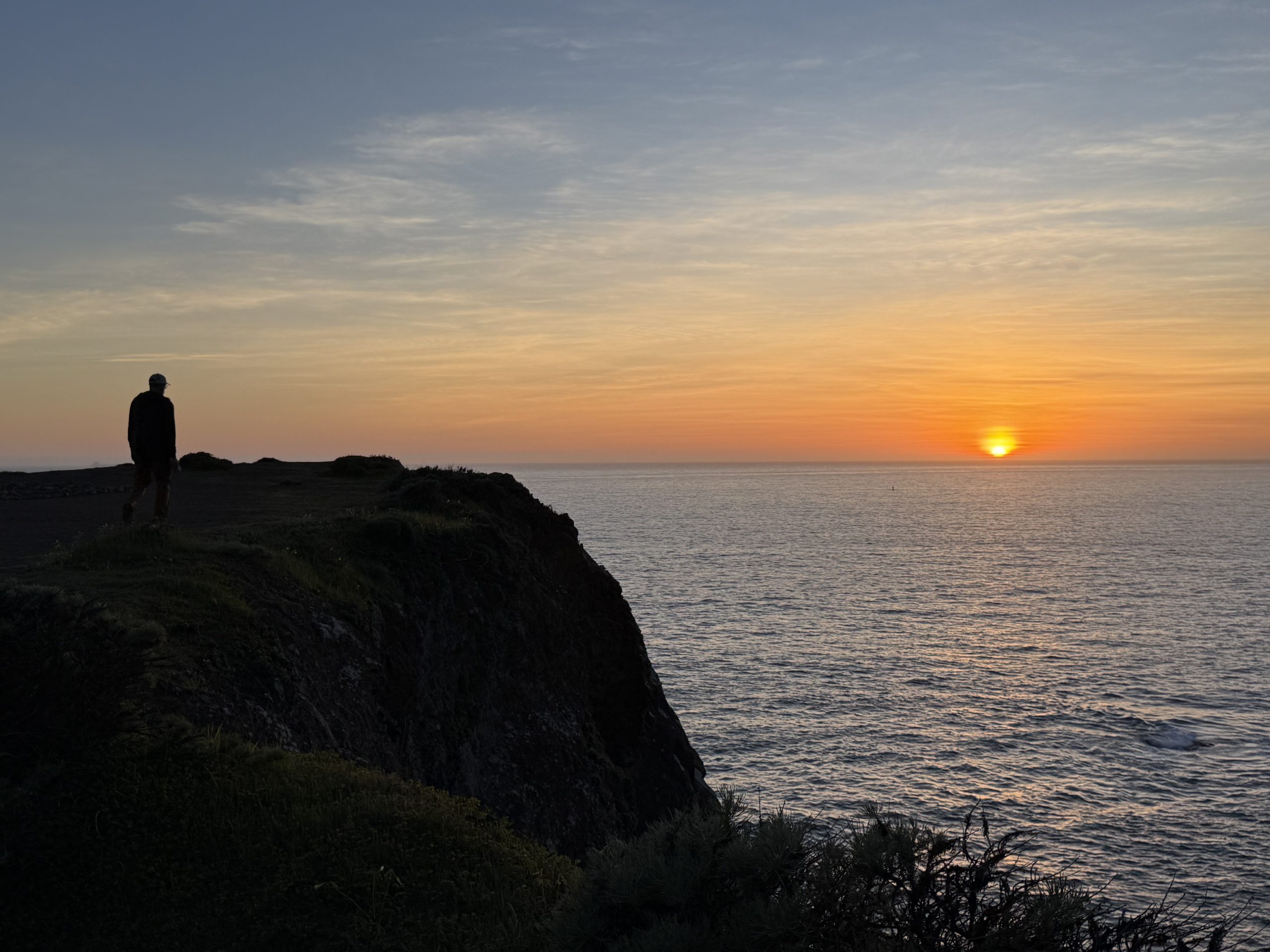
Photo of the Month: Allyson J. Goble / Tennessee Point, Marin Headlands
To stay updated with OPC’s efforts, follow us on social media, and sign up for emails.