
California Coast and Ocean Report
Status, Progress, and What’s Ahead
California’s iconic coast and ocean are core to the state’s identity and economy, but these special places are on the front lines of climate change and biodiversity loss. In the face of unprecedented challenges, the state has taken bold action to combat threats and build resilience to help people and nature thrive.
Indicators
The 2026 California Coast and Ocean Report uses science to explore 14 key indicators of California’s coast and ocean. Developed through a public process and guided by more than 120 scientists, these indicators reveal both the threats facing our coast and ocean and the actions needed to protect people and ecosystems. This Report tells a story of both pressure and progress: while climate impacts are threatening wildlife, livelihoods, and coastal access, investments in sustainable solutions are improving the health and resilience of coastal and marine ecosystems and the people who rely on them.
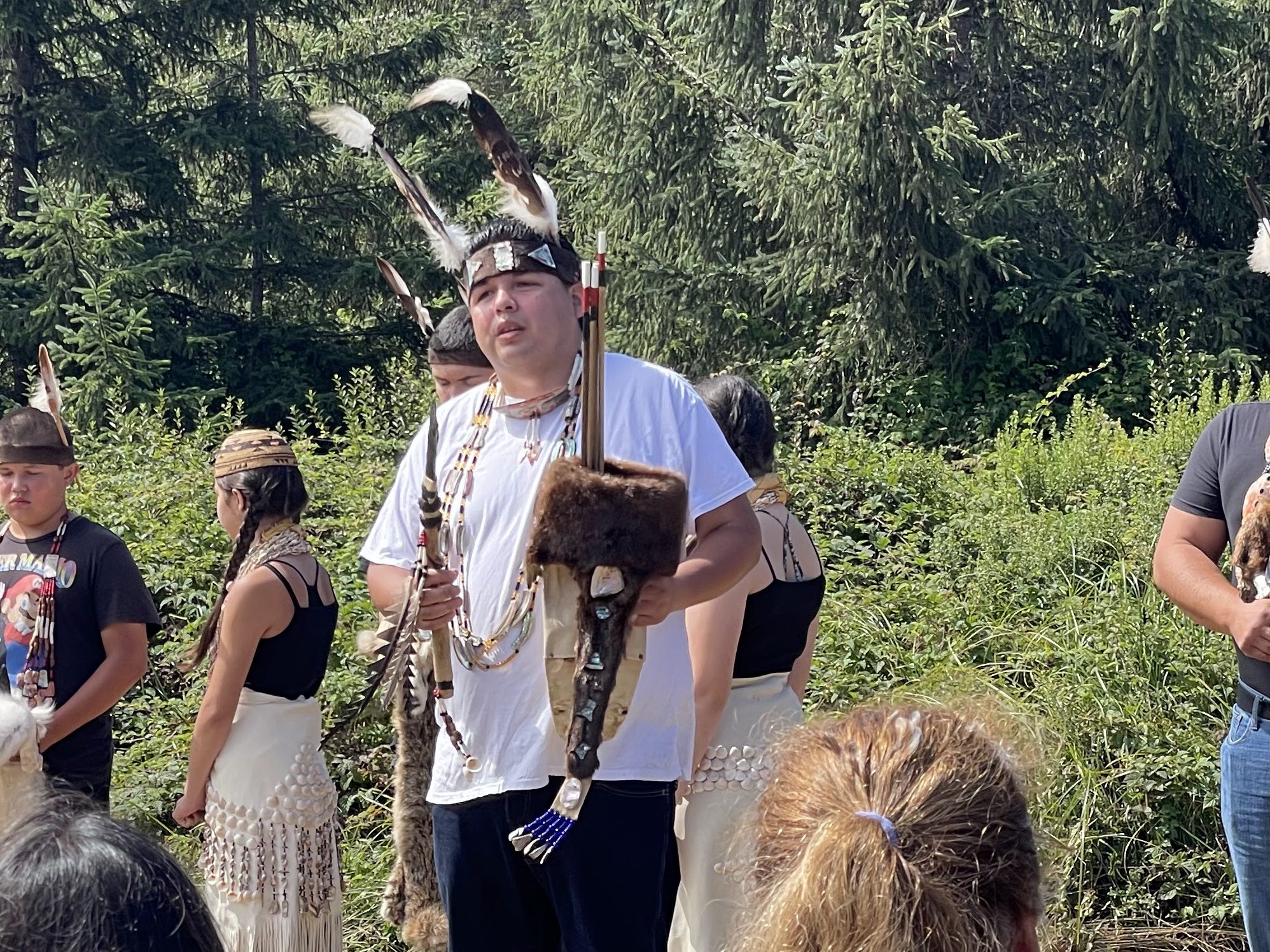
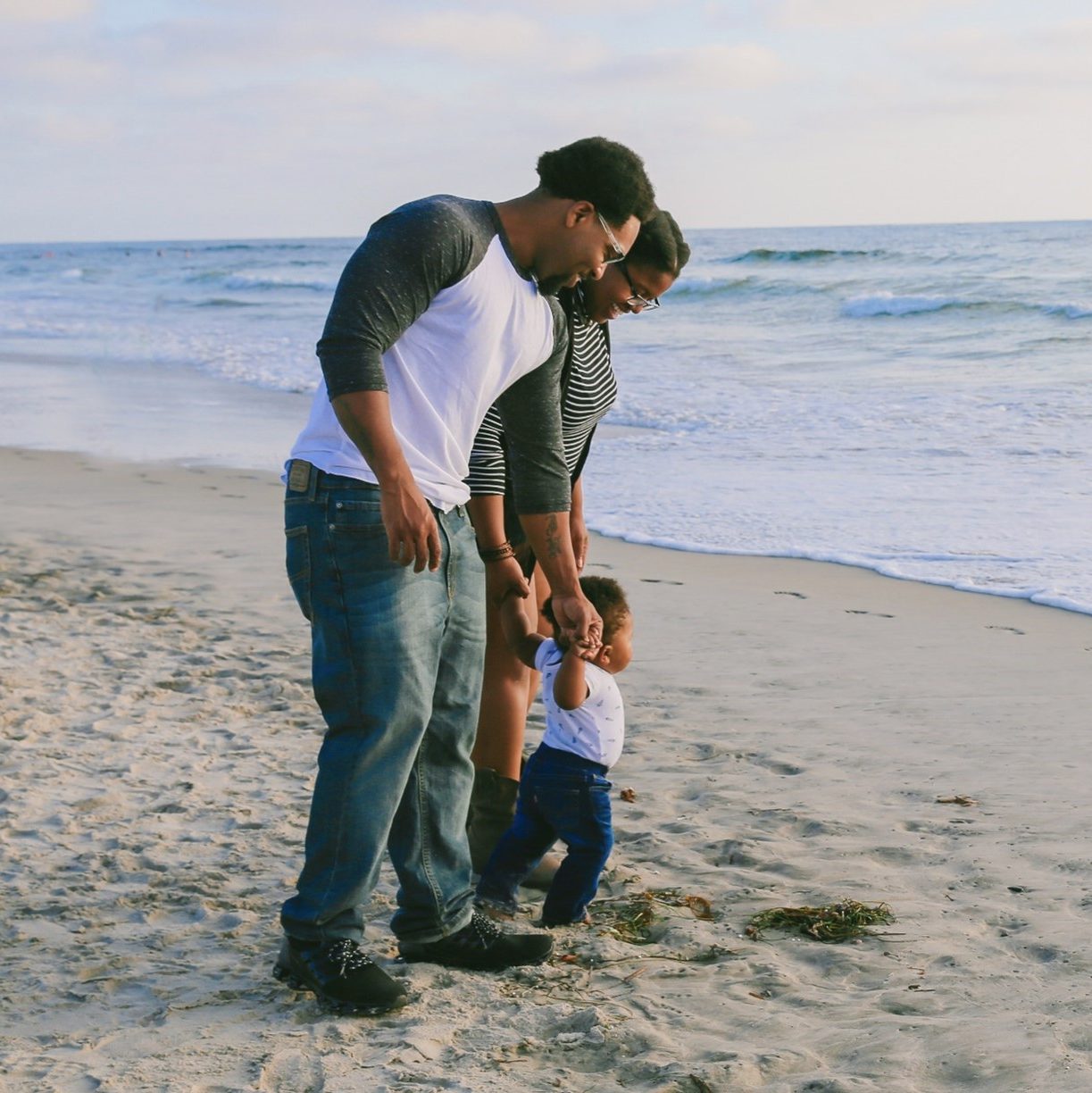
PEOPLE

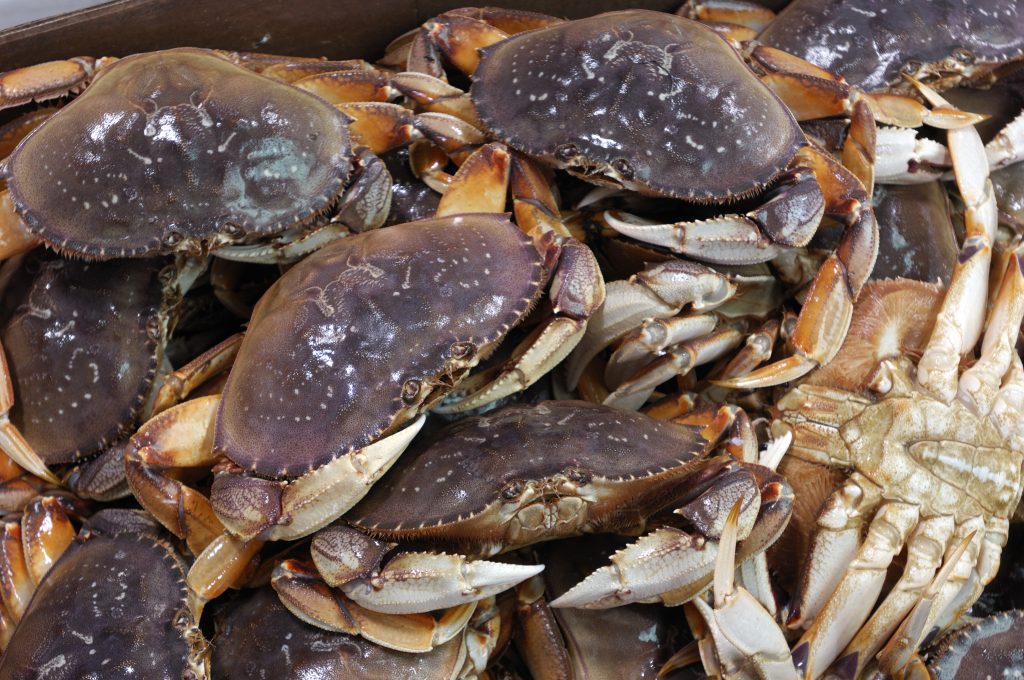
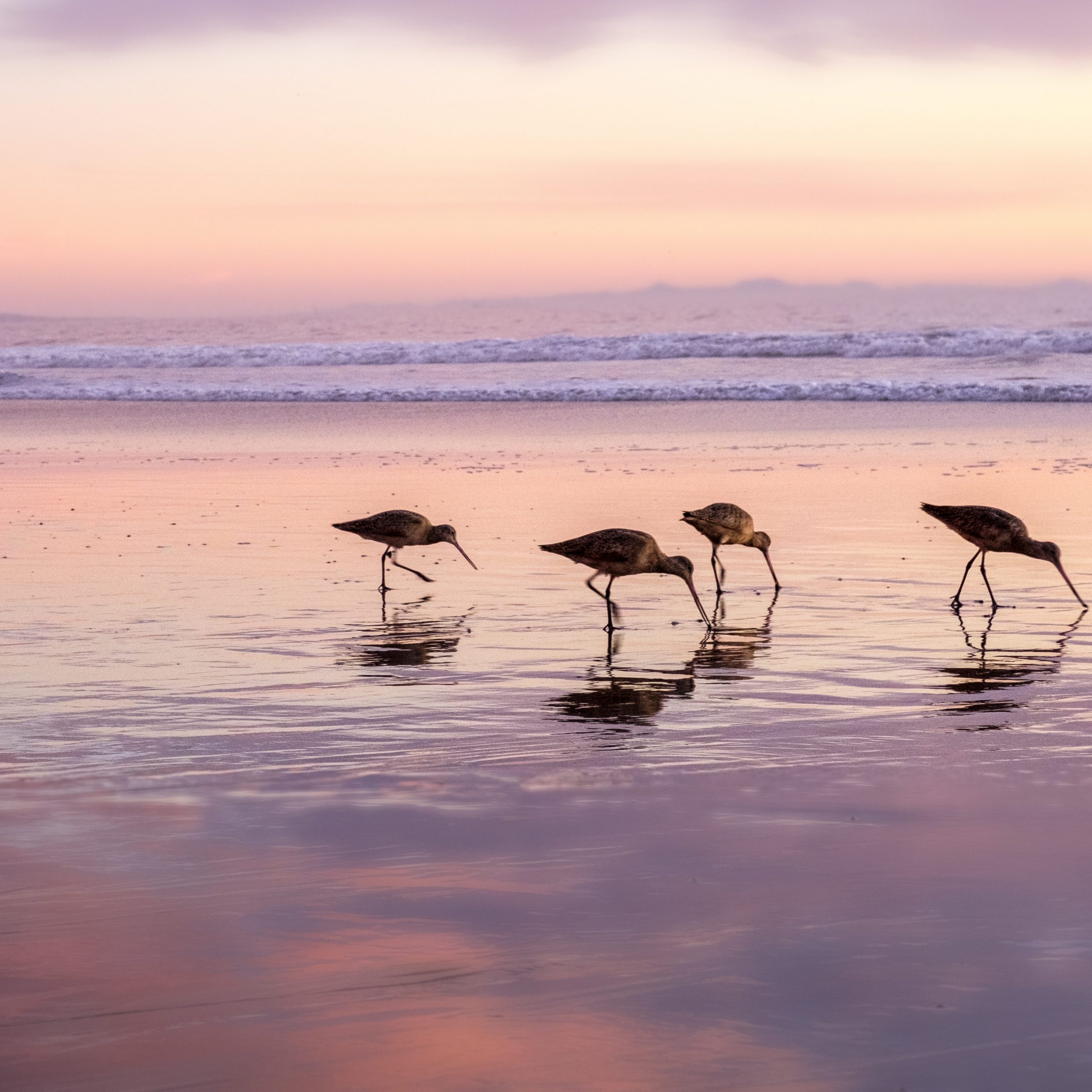
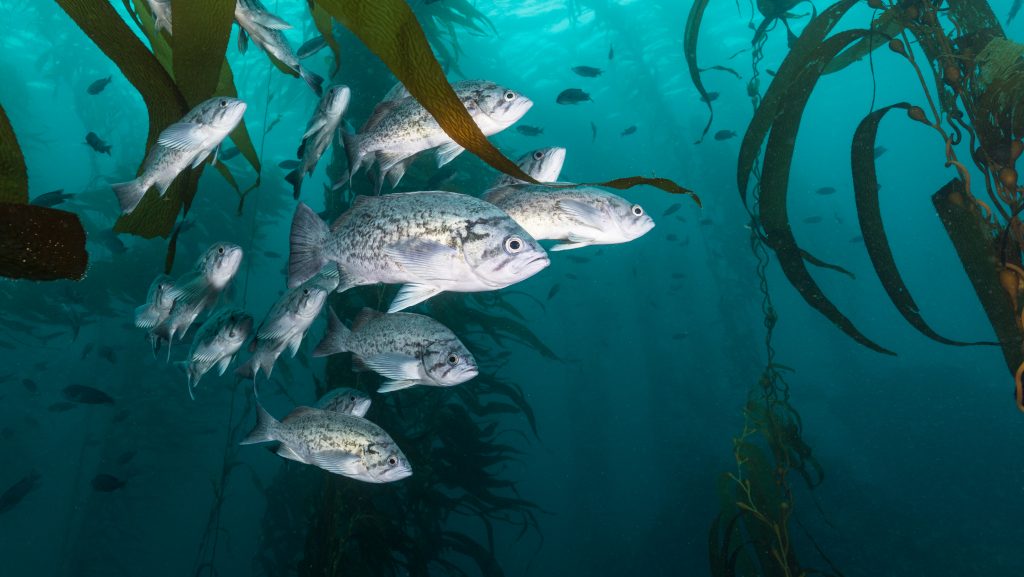
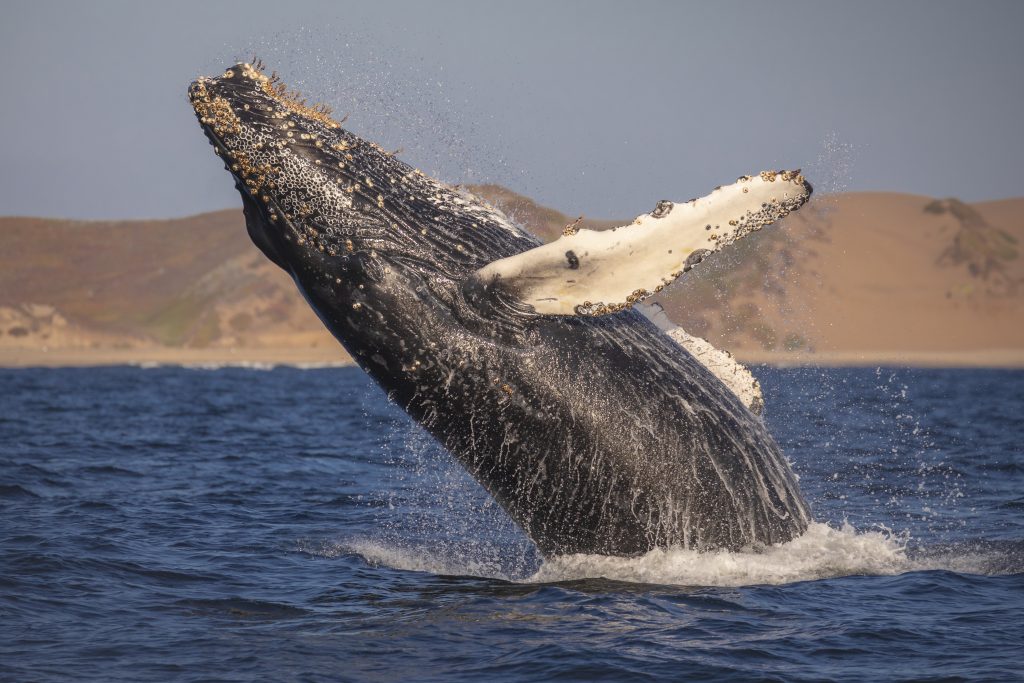
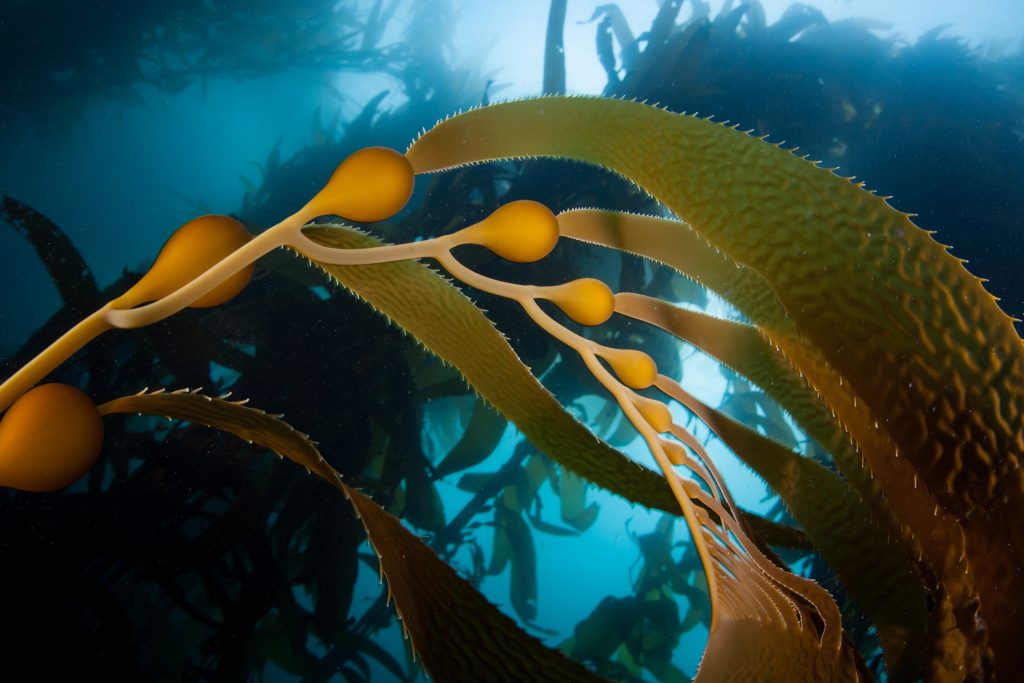
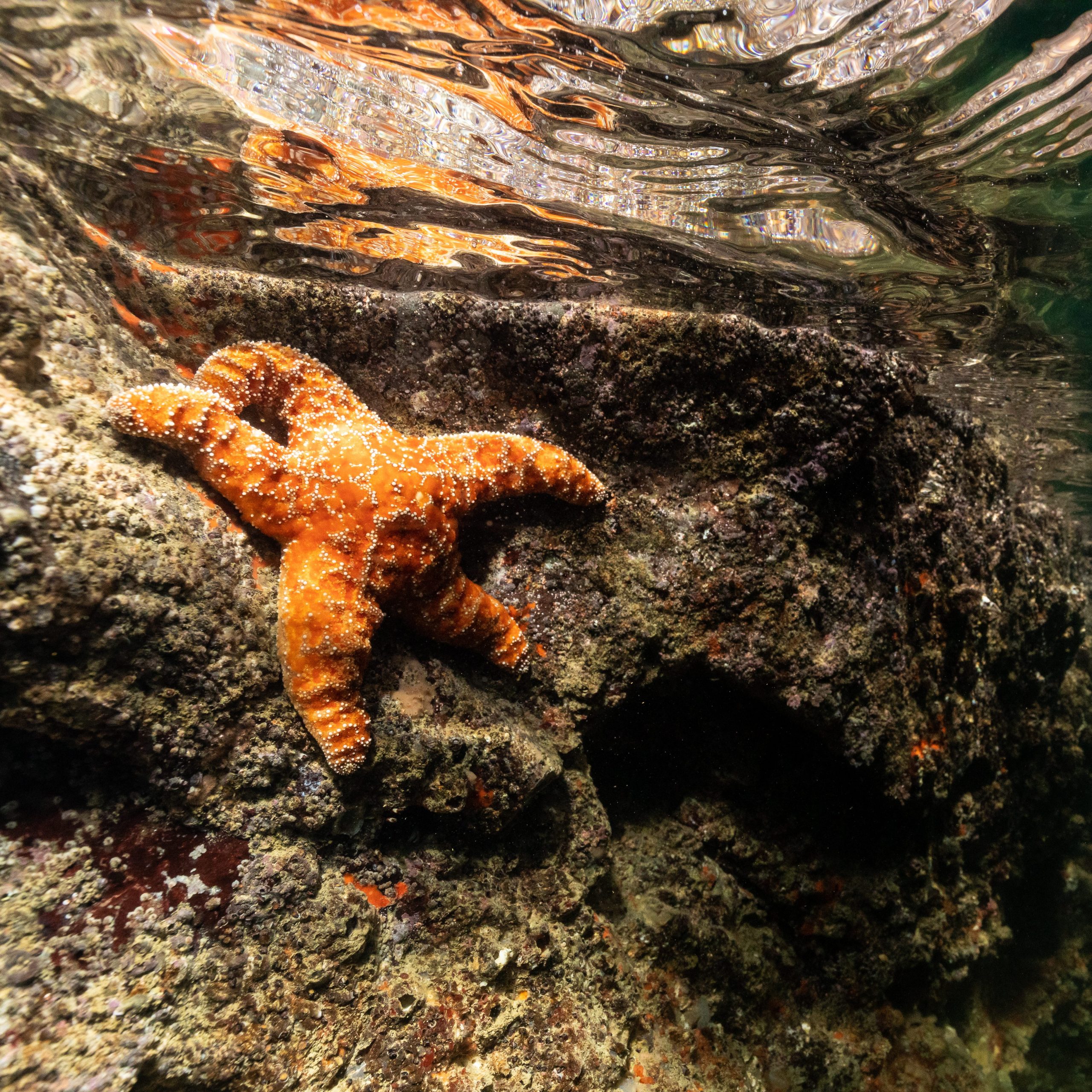
WILDLIFE & HABITATS
STRESSORS

For press inquiries, logos, and images, visit the Media Resources page.
Methodology
The 2026 Assessment Methodology authored by the California Ocean Science Trust (OST) for OPC, further explores four data-limited indicators that could be included in future evaluations (Eelgrass and Seagrass, Coastal Flooding, Invasive Species, Marine Debris and Microplastics). These indicators were chosen from an initial list of 42 indicators suggested by the OPC Science Advisory Team and were prioritized based on understandability, data availability, and relevance to state management and policy priorities. Indicators were further refined through an iterative process of expert feedback, public and tribal input, and discussions among OPC and OST staff.
Indicator selection and development was led through a partnership between OPC, OST and West Coast Ocean Alliance (WCOA), with WCOA participation led by the Southern California Coastal Research Program (SCCWRP). OST and SCCWRP collaborated closely, endeavoring to find opportunities for efficiency, synergy, and alignment. They convened expert working groups to collaboratively develop appropriate methods, identify and evaluate the most relevant data, and produce an assessment of system conditions using statewide metrics. The specific data sources and methodologies that supported indicator assessment are included in the 2026 Assessment Methodology.
This 2026 Report is based on non-indigenous science. Bringing together non-indigenous science with tribal science and Traditional Knowledges, through co-production and other approaches, can improve our collective understanding of the ocean, support the priorities of California Native American tribes, uplift tribal stewardship, and lead to the development of innovative solutions to social or environmental challenges. Future efforts to track change over time should include improved inclusion of tribal science and Traditional Knowledges in ocean monitoring and evaluation. This will help ensure approaches to understanding and communicating about the ocean are more comprehensive, accurate, and equitable.
Secretary Speaker Series: State of California’s Coast and Ocean
On California Ocean Day 2026, the California Natural Resources Agency hosted a conversation on the findings of the state’s first-ever Coast and Ocean Report, a landmark effort that details the pressures facing California’s marine ecosystems and the historic progress the state has made to protect marine life, habitats, and coastal communities.
The panel explored what the data shows, what it means for California, and what comes next for ocean protection and restoration.
Panelists:
- Wade Crowfoot, Secretary, California Natural Resources Agency
- Jenn Eckerle, Deputy Secretary for Oceans and Coastal Policy and Executive Director, Ocean Protection Council
- Chris Free, Associate Researcher, UC Santa Barbara
- Felicia Van Stolk, Executive Director, Santa Cruz Museum of Natural History
- Jeff Boehm, Chief External Relations Officer, Marine Mammal Center
- Mario Ordoñez-Calderón, Co-Founder and Executive Director, Un Mar De Colores
To follow OPC’s continued commitment to California’s coast and ocean, join us on social media, and sign up for emails.