From the Docks to the Data: California’s Commercial Fisheries
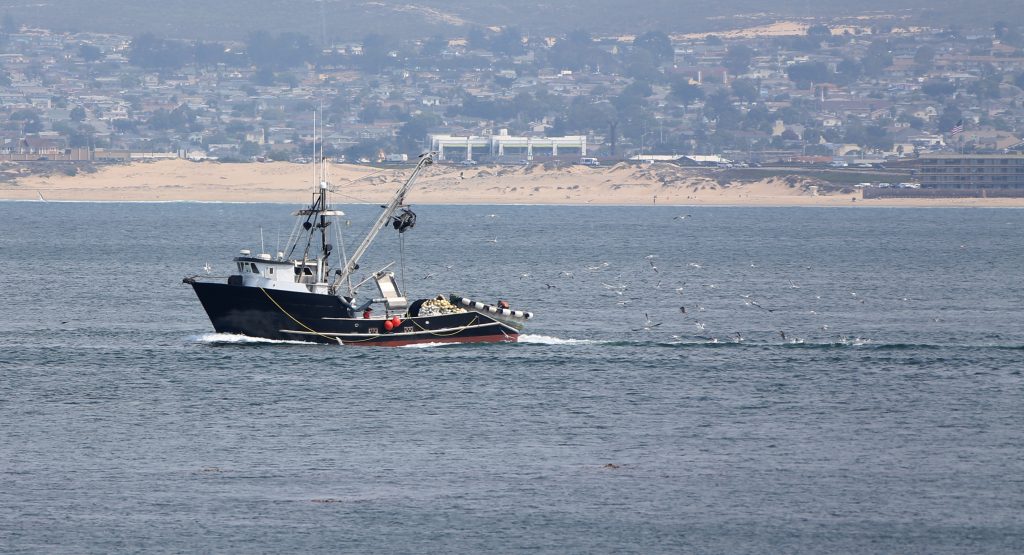
California’s commercial fishing industry is both an economic engine and a way of life. Thousands of fishing families, deckhands, processors, and dock workers, as well as the restaurants and businesses that depend on fresh local seafood, have a stake in healthy, productive fisheries. The fishing communities built around ports from Eureka to San Diego reflect generations of connection to the sea.
Commercial fisheries is one of 14 indicators tracked in the 2026 California Coast and Ocean Report, released by OPC in partnership with the California Ocean Science Trust in March. The indicator shows that while most of California’s fisheries are in good condition, two of the state’s most iconic fisheries and the communities that depend on them have faced serious climate-driven impacts in recent years.
Two Fisheries, Two Stories 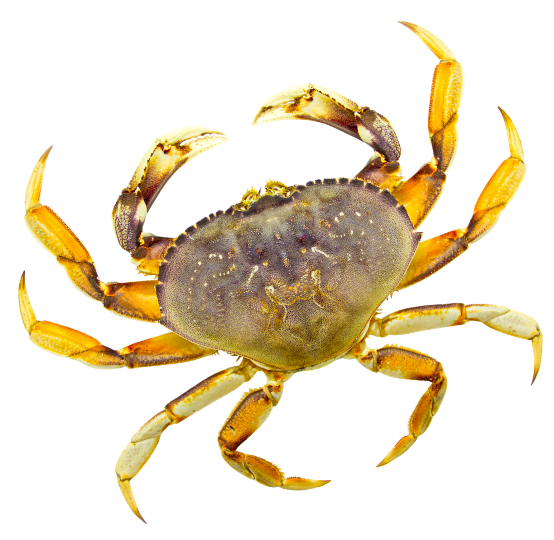
Dungeness Crab
Dungeness crab is one of California’s oldest and most valuable commercial fisheries, generating tens of millions of dollars annually and supporting livelihoods from Crescent City to Morro Bay. Fishing-related businesses and port economies along the coast depend on a productive season. But in recent years, the fishery has been impacted by increased interactions with whales.
Humpback whales migrate and feed along the same stretch of California coast where crab traps are set. Vertical lines connecting traps to surface buoys can entangle whales, which can lead to injury or death for these animals. In recent years, entanglement reports have increased due to a variety of factors, including climate-driven shifts in whale distributions. When entanglement numbers are high, state regulations require management actions such as delayed season openings and early closures. The 2025-26 season saw both, compounded by harmful algal bloom-related domoic acid contamination in some northern areas. Each delay carries real economic consequences for the fishermen, crew, and port towns that depend on crab season revenue.
Since 2015, OPC and the California Department of Fish and Wildlife have convened the California Dungeness Crab Fishing Gear Working Group, which is made up of representatives from the commercial and recreational fishery, federal agencies, the academic community, conservation organizations, and other sectors, to develop solutions for reducing whale entanglement risk. This spring, those critical partnerships, as well as OPC investment in projects such as the Innovative Gear Library, resulted in a key milestone: ropeless “pop-up” gear received its first-ever statewide commercial authorization in the fishery, allowing for continued fishing opportunity in areas closed to traditional gear. The state continues to support the testing and evaluation of whale-safe fishing technologies and other strategies for reducing entanglement risk while ensuring thriving fisheries, including utilizing best available science and supporting entanglement response and outreach.
Salmon
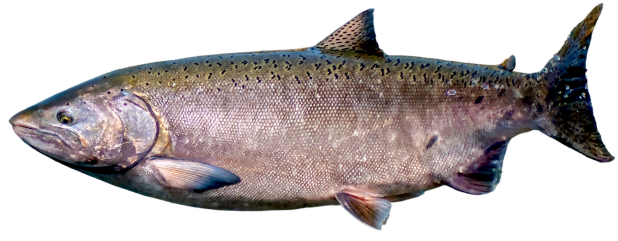 California’s salmon fishery tells a different story. After three consecutive years of commercial closures driven by drought, warming rivers, and collapsing populations, the fishery reopened this spring — a meaningful sign that investments in habitat restoration and science-based management are making a difference. When a major fishery like salmon closes, the impacts extend far beyond the boats: processing facilities, fishing-supply businesses, tribal communities, and entire port economies feel the loss. However, this year, scientists project that nearly 400,000 adult Sacramento River fall-run Chinook will return, more than double the prior year’s estimate. This season comes with trip limits and in-season monitoring, but salmon recovery efforts have begun to turn the tide. Read the full story: After Years of Closures, California’s Salmon Season Returns.
Investing in the Science of Sustainable Fisheries
Adaptive fisheries management depends on sound science: updated stock assessments, modern decision-making tools, and ongoing monitoring that keeps pace with a rapidly changing ocean. Good science means more stable seasons, more predictable harvests, and better outcomes for fishing communities and coastal economies.
At its June 16, 2026, Council meeting, OPC approved nearly $4 million for fisheries management and endangered species recovery, spanning commercial fisheries, recreational fisheries, and endangered species programs. This package includes investment in two specific commercial fisheries, as well as innovative tools and management that will support the diverse portfolio of state-managed species:
- Innovative Fisheries Management Working Group: An expert working group will develop a modern, scalable toolbox of assessment methods for state-managed fisheries, commercial ones included, with a focus on transparency and stakeholder engagement.
- White Seabass: An updated stock assessment, the first-ever management strategy evaluation, and a first-ever update to the white seabass Fishery Management Plan, shaped by a dedicated working group of fishermen, scientists, and other partners.
- California Halibut: A new stock assessment and management strategy evaluation, as well as bycatch analysis, gear modification testing by UC Davis, and funding for on-vessel state observers to collect critical data for the trawl fishery.
Taken together, these investments reflect California’s commitment to managing its fisheries not just for today, but for the decades ahead.
California’s commercial fisheries support thousands of jobs, feed millions of people, and anchor the identity of coastal communities across the state. Keeping them healthy for the next season — and the next generation — requires sustained investment in the science, tools, and collaborations that make responsible, adaptive management possible.